
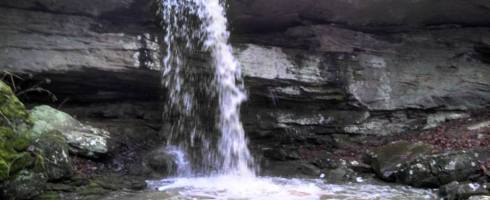
This post is by Loy Addington. He uploaded the photos below on Facebook, and I asked permission to use them in Dumbfounding Stories. He agreed and also sent along some text putting them into context.
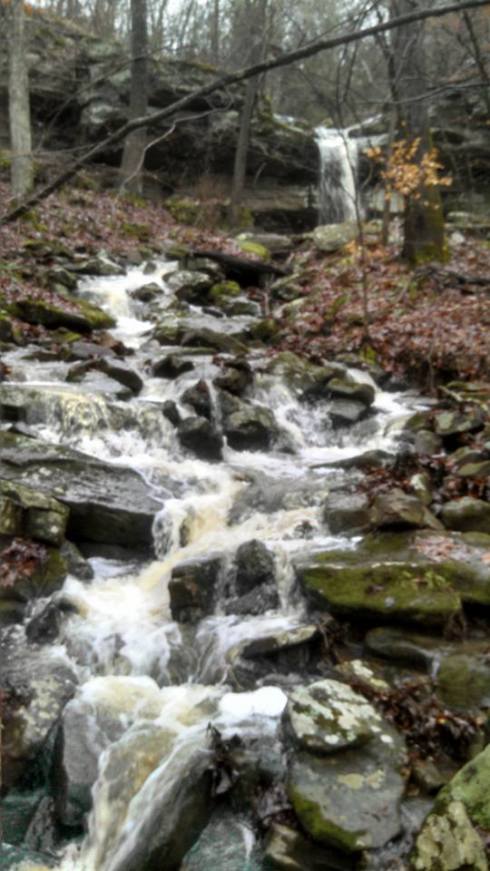 Sometime around December, 2016, our dogs Daisy and Tuffy Lou insisted on going for a hike after being rained in for two days. I tagged along. The weather had cleared, and we went to one of my favorite spots: an area of three waterfalls located within a forty acre parcel of Shawnee National Forest. It’s in a box canyon formed by three small, steep creeks that form the first major tributary to Lick Creek. All he rushing water here creates a roar that increases the feeling of being totally immersed in this environment.
I have no jurisdiction there, but since this place is so near and dear to my heart, I have included it as part of my empire. Which actually means I’m the self-appointed garbage man. I would not easily volunteer its location. Scatter my ashes here!
This is not a great place to visit in summer, because the forest canopy holds in the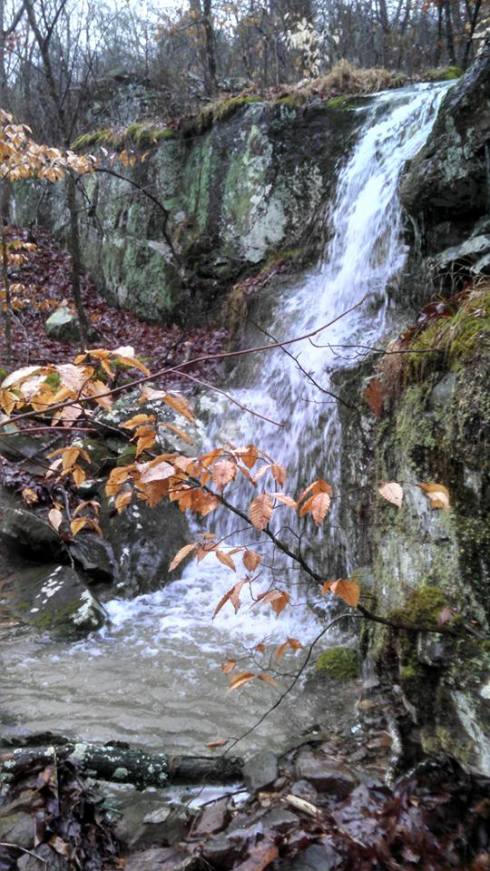 heat and humidity exuded by the rock face of the bluffs. But in winter it can be a paradise, the south facing bluff face capturing and radiating heat as it blocks the north wind. Incidentally, this line of bluffs extends from Grand Tower on the Mississippi to Golconda on the Ohio, and its length contains many rock shelters. All of them show evidence of prehistoric occupation, from the Paleolithic to Mississipian eras. 350 million years ago this area was the edge of what is now the Gulf of Mexico. The bluffs are composed of sedimentary rock (sandstone). The base of Lick Creek, just 400m south, is limestone from the ancient sea.
There are cultural features in the canyon that may have created by historic or by prehistoric peoples, I’m not sure which. One photo in this post is of a large basin in the 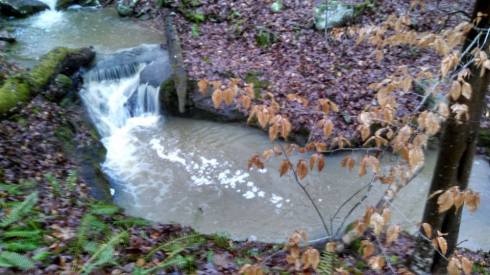 creek. The basin has been cleared of all rock to create an area that could have been used for bathing, baptism, prayer? And a rock wall has been constructed along the edge of the main creek. It’s typical of prehistoric construction but in a very atypical location. That large “turtle” rock seen in the post is all natural, but prehistoric people were known to revere turtle images. Finally, an exceptionally large mortar hole was revealed when an old post oak tree there was blown over. I believe it was created by prehistoric people, and judging by its size and location, it seems to me to be ceremonial. In other words, this place is sacred.
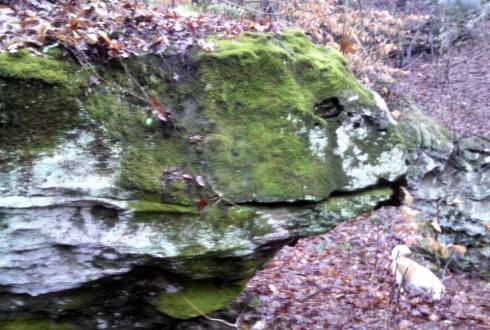
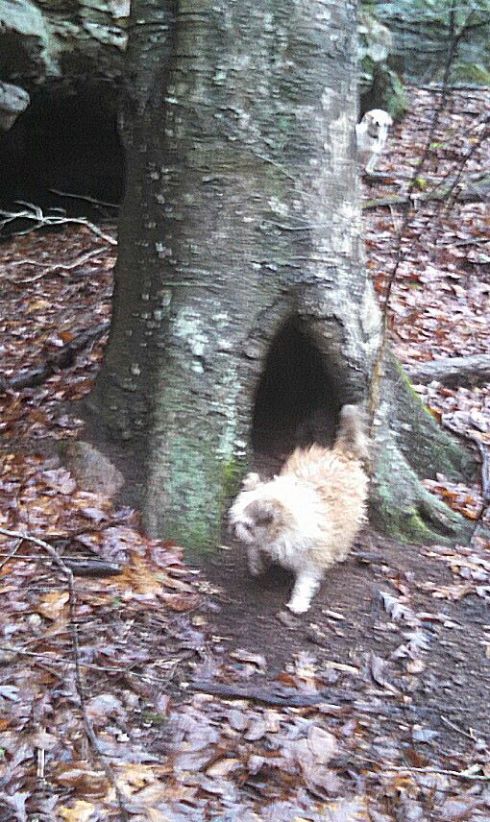
During the winter I make several trips, especially after rain, to bask in my favorite area. During such extreme rain events I have to carry Tuffy across the many brooks, small but very swift when rain swollen. Tuffy is the little woolly one. Both dogs are rescue dogs. I’m including several other shots below from our hike that day.
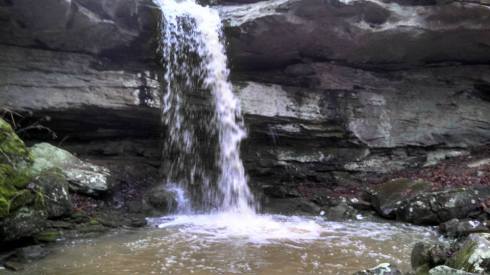
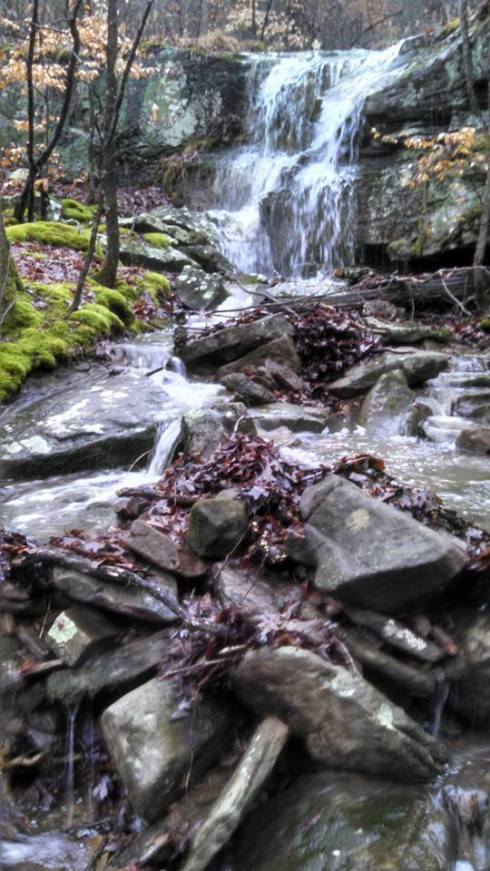
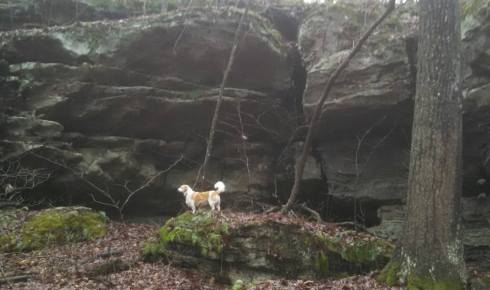
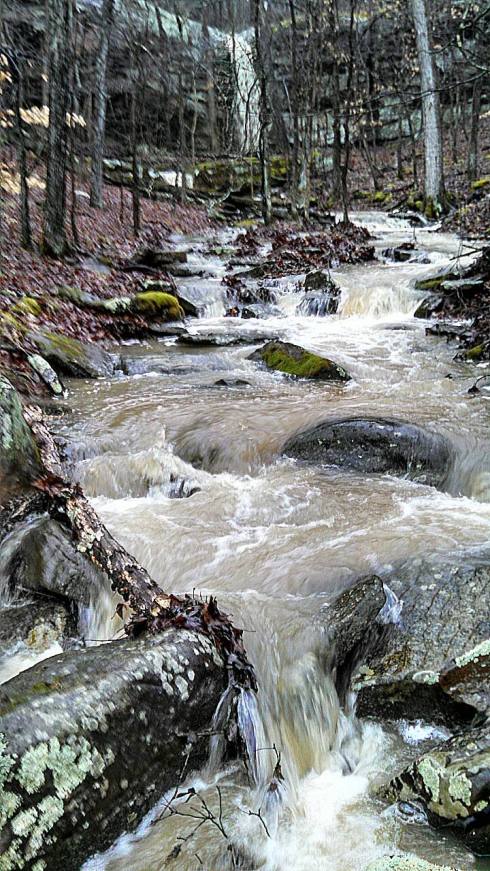
And here are two photos and a short video from a hike we took to the canyon in April, 2017:
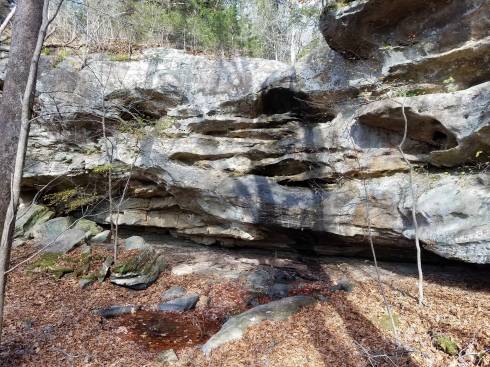
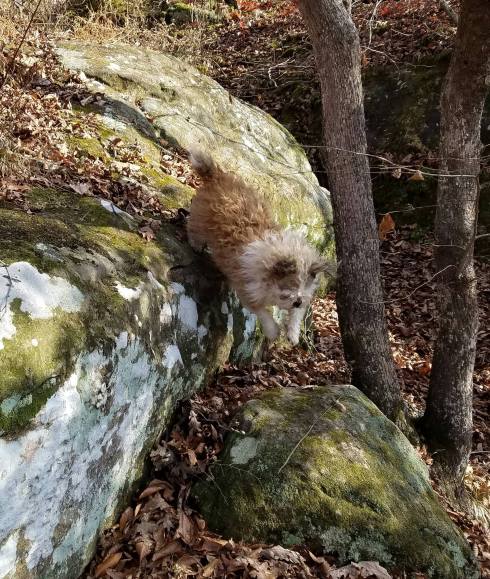
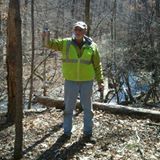
A native of Southern Illinois, Loy Addington is the long-time host of “Lonesome Roy’s Country Hoedown” on WDBX radio.
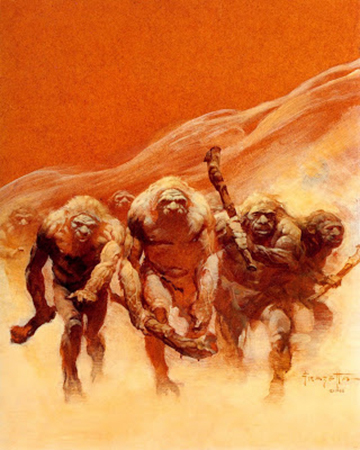
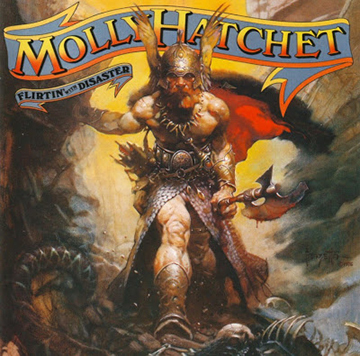
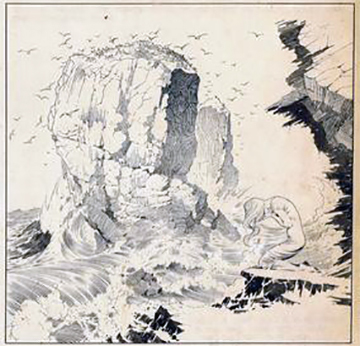
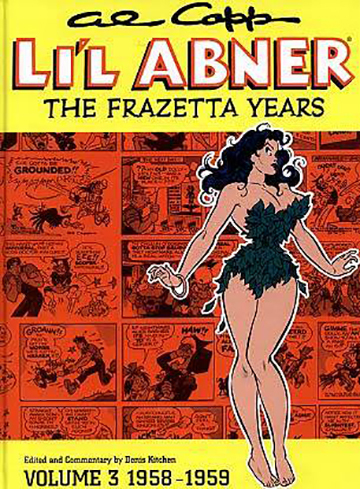 This week’s General Fave is the artist Frank Frazetta. I was going to describe him as “the fantasy artist,” but that’s only what he was best-known for; he also worked in the comics field, advertising, commercial illustration, and science fiction. He was part of the legendary EC Comics stable, and of what was known as the Fleagles, a loose-knit crew of young artists who evolved out of the EC stable to work on Mad Magazine. He drew what’s known in the comics world as ”funny animal” stories, as well as westerns, romance and science-fiction (one of his covers for the Buck Rogers comic book is iconic, much as I hate to use that word, but it applies); he was Al Capp’s assistant for 9 years, drawing mostly the sexy women in the Lil’ Abner comic strip. He also occasionally assisted on the Playboy comic feature Little Annie Fanny, mostly drawing Annie (Frazetta’s women were scandalously sexy; he always claimed that his wife Ellie was his principal model).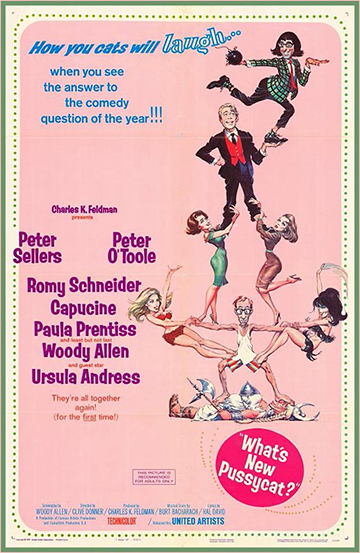
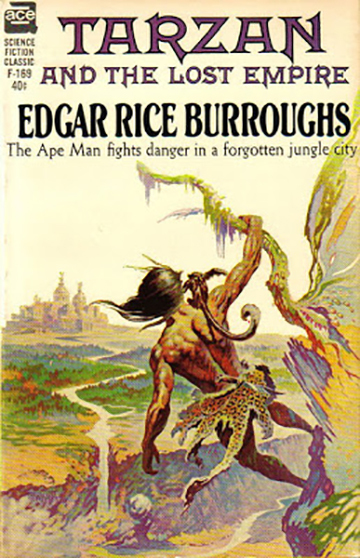 The work that catapulted him to pop-culture fame and recognition was probably the paperback cover work he did in the 60’s and 70’s, for Ace books’ Edgar Rice Burroughs editions (Tarzan, John Carter, etc.) and the Lancer books Conan series.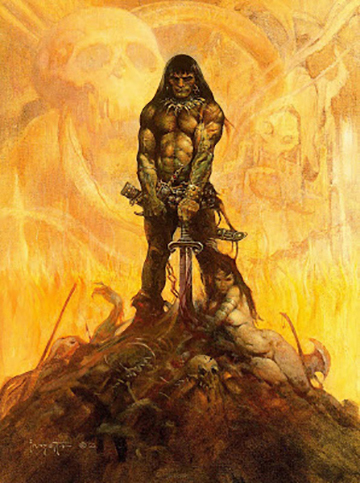

 Midwest Action!, a site with some street cred around the heartland, recently reviewed my He Flies album. I probably won’t destroy any suspense by saying they liked it. Otherwise, why would I be putting up a link to the review here? But I did think the reviewer had an interesting take on He Flies, and the site imbedded mp3s of of four of the
  album’s songs. I was also surprised to see which four they chose to imbed. Anyhow, the review’s at: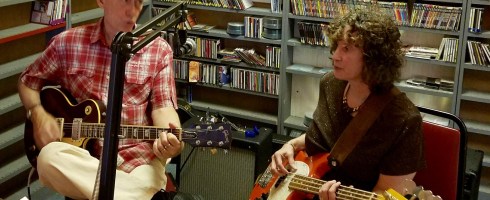
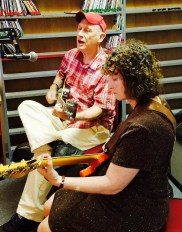
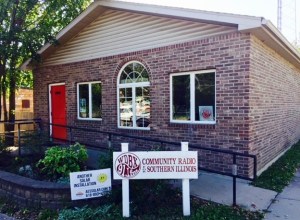 the type of music they know and love best. A pretty refreshing mix results: blues, metal, country, jazz, hip-hop, punk, world music, electronic, classical, and various points in between. And whoever chooses the DJ volunteers does a good job. Overall, they sound pretty damn professional. I hear it’s unusual for a town of Carbondale’s size (27,000) to have a community radio station. Carbondale’s fortunate to have it.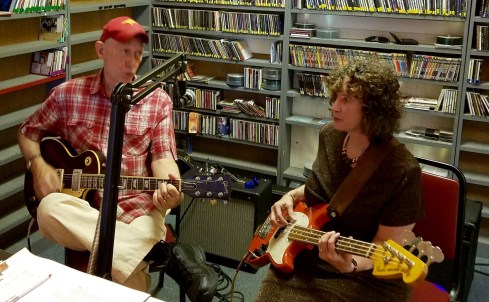

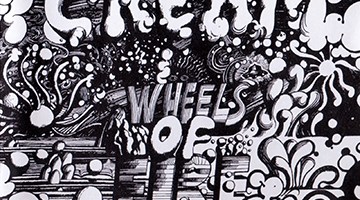
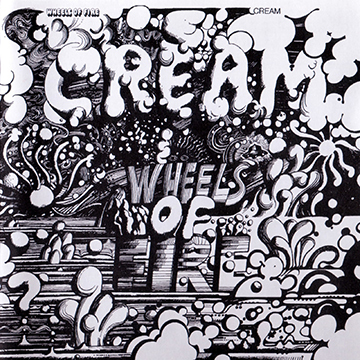 This week’s pick is more goddam hippie music; it’s the song “Deserted Cities of the Heart”, performed by Cream, written by Jack Bruce and Pete Brown, from the band’s 1968 album Wheels Of Fire. The basic band of Bruce, Eric Clapton and Ginger Baker were augmented on the studio disc (it was a double album, one disc recorded in the studio and the other live) by producer/multi-instrumentalist Felix Pappalardi. On this particular song Bruce plays bass, acoustic guitar, cello and sings; Clapton plays electric guitar; Baker plays drums and tambourine; and Pappalardi plays the viola.





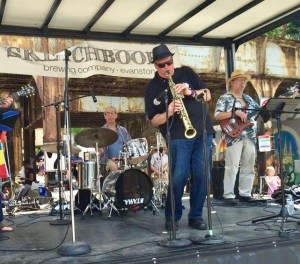
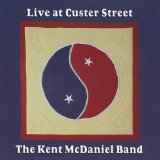 ers ago at Evanston’s Custer Street Fair. Originally we were only recording the songs to use with a video of the show we were making. After we listened to the set, though, we decided we had to do an album with it; it’d come off too nice not to. I’m playing guitar, Dorothy McDaniel’s playing bass, and Vic Varjan’s on drums. Dorothy and I are both singing, but I imagine you’ll be able to hear who is who.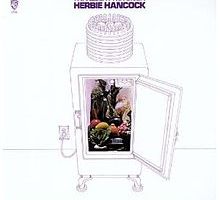
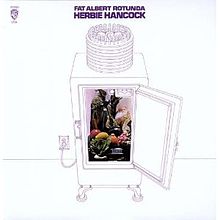 This week’s pick is by Herbie Hancock, from his 1969 album Fat Albert Rotunda. It’s the lovely (and difficult tune) “Tell Me A Bedtime Story.” Herbie’s on electric piano, with Joe Henderson on tenor sax and alto flute; Garnett Brown on trombone; Johnny Coles on trumpet and flugelhorn; Buster Williams on bass; Albert “Tootie” Heath on drums and George Devens on percussion. Herbie wrote the tune, and Rudy Van Gelder was the engineer.
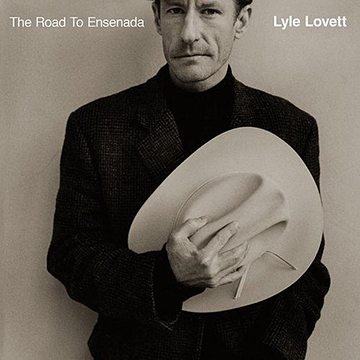 This week’s pick is some country music, goddammit. It’s the gorgeous song “The Road To Ensenada” by Lyle Lovett, from the 1996 album of the same name. I couldn’t find a YouTube video of the album cut, so I don’t really know who those cats are, but they’re playing it really close to the recorded version; the players on the record are Lyle on guitar and vocals, and what’s essentially James Taylor’s studio band of the 90’s — Leland Sklar on bass, Russ Kunkel on drums and shaker, Dean Parks on electric guitar, Luis Conte on percussion and Arnold McCuller, Valerie Carter*8 and Kate Markowitz on background vocals, with ringers Matt Rollings on piano and Don Potter on acoustic guitar.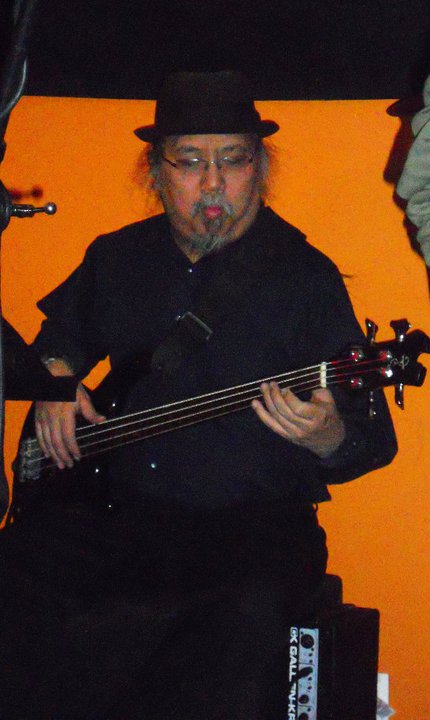

 Dumbfounding Stories