
This week’s General Fave is the science-fiction artist Frank Kelly Freas, more commonly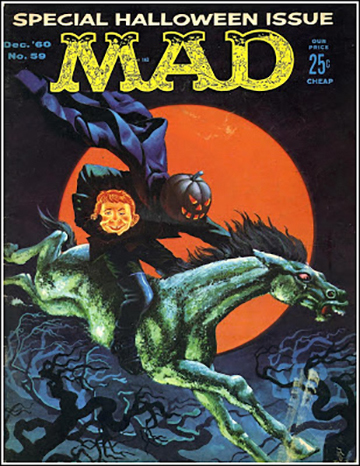
known as Kelly Freas. He was an incredibly prolific artist; I’m guessing his science-fiction work alone numbers well into the thousands, of book and magazine covers as well as interior illustrations. He also painted the official insignia for Skylab I, more than 500 portraits of saints for the Franciscans, and numerous cover paintings for Mad Magazine (although Norman Mingo was the more-or-less official artist for Alfred E. Neuman’s likeness, Freas did quite a lot of Neuman covers, and they’re every bit as good as Mingo’s).
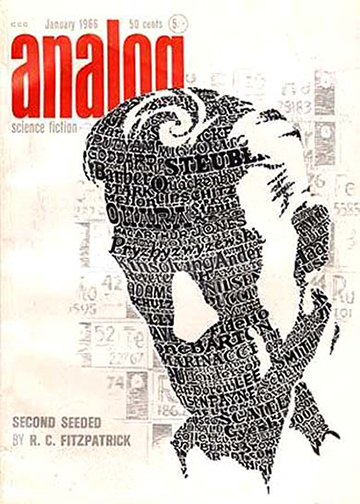
Although I’m guessing I saw many of those Mad covers, I didn’t really 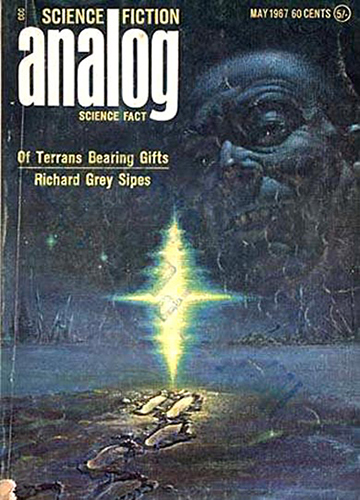 become aware of Freas’ work until I saw his cover for Analog Magazine in May of 1967. I had been a science-fiction reader (hardcore fans almost NEVER call it “sci-fi”) since I was very young; I think Madeleine L’Engle’s A Wrinkle In Time was my first, checked out from my grammar school’s reading room in 1962, followed by *Andre Norton’s Daybreak 2250 A.D.,* purchased from a mail-order book club. I wasn’t into the magazines so much, but some thing about Freas’ cover painting compelled me to buy this one; I have no memory whatsoever of the story that it illustrated.
Born in 1922, he sold his first magazine cover painting to the venerable Weird Tales in 1950. Gnome Press published 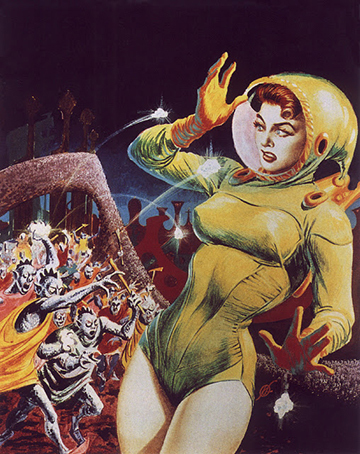 three book covers in 1952, and he started working for Astounding Science Fiction magazine in 1953; Astounding changed its name to Analog and Freas worked for them until 2003. He started working for Mad in 1957, and painted most of their covers until 1962, which would have been right around the time that I started reading the magazine. He also painted hundreds of covers for the paperback publishers Ace, DAW, Signet, Avon, Ballantine and Lancer.
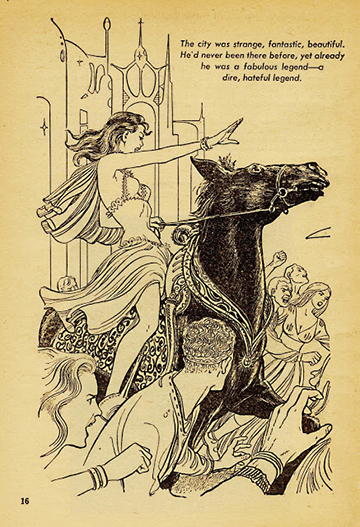
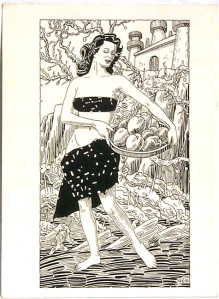
His style is instantly recognizable. His draftsmanship is clean, and his color palette really made some of his book covers (more so than the magazine covers) literally jump off the racks. His black-and-white work was always beautiful as well; he had a technique that I especially
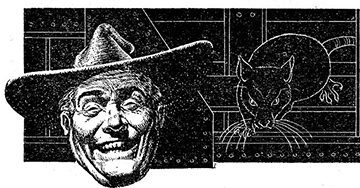 loved, pen and ink on a textured illustration board that used to be called either Ross board or coquille board; sports cartoonists used to use the technique a lot. After the
main illustration was done with the brush, he’s go over it and add shade values with a lithographic crayon. He also did a lot of scratchboard work, as well as straight-ahead pen and ink.
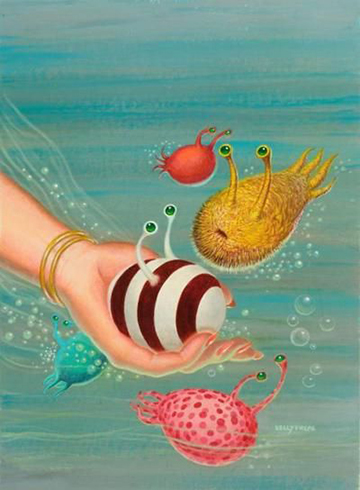
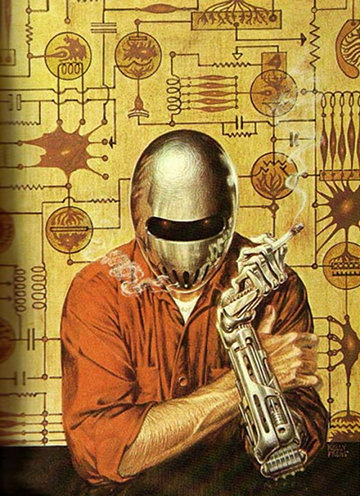
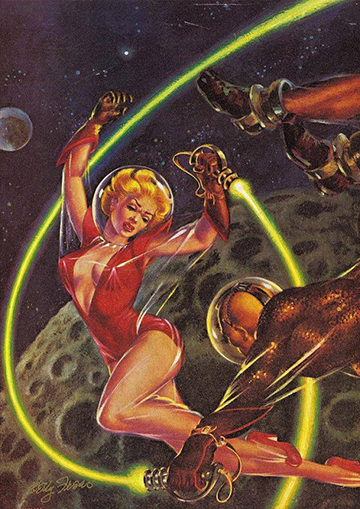
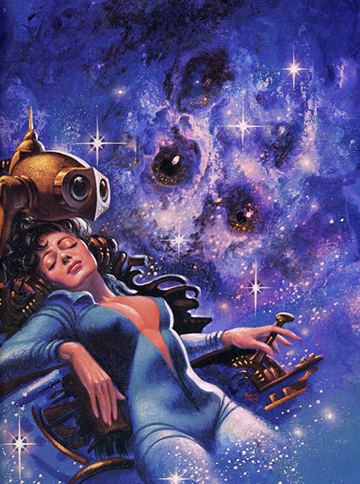
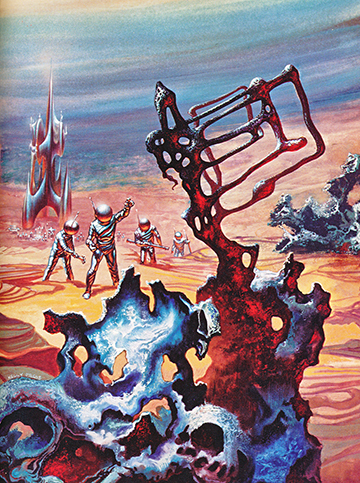
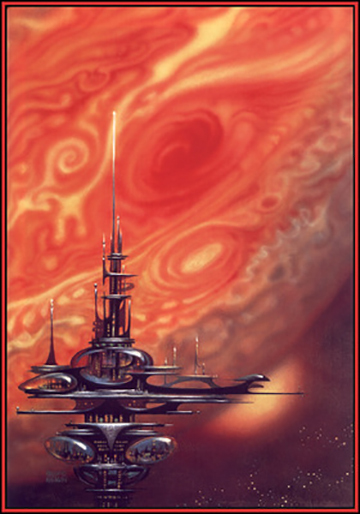
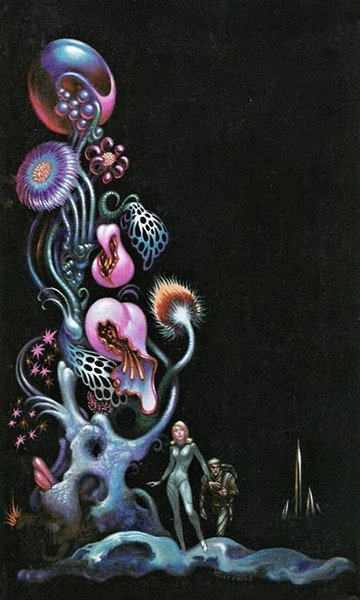
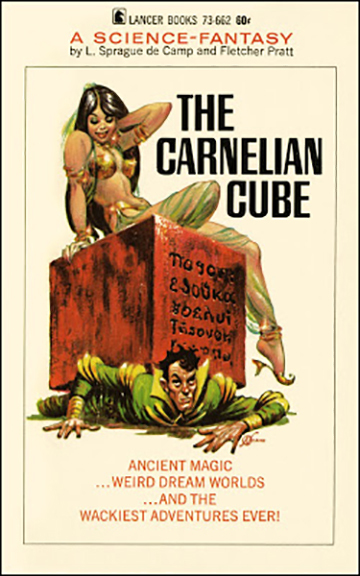
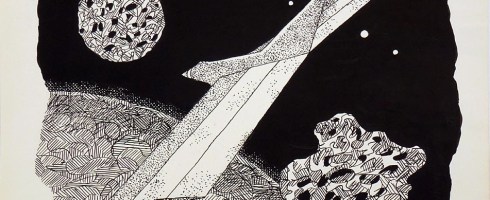
Like all artists, he had some visual tropes – the Kelly Freas spaceship, which owed a lot to the kind of streamlined spaceships drawn by Flash Gordon artist Mac Raboy; futuristic cities and space stations; robots; and of course, sexy (and usually scantily clad) women. Good lord, those Kelly Freas women! But like all artists, great and not-so, every once in a while he painted something that was completely uncharacteristic, like these cute lil’ creatures:
He was nominated for the annual Hugo Award for best science-fiction artist a remarkable 20 times, and won the award 11 times, an unbroken record. He died in 2005, and by all accounts he was a warm, humorous guy, a frequent guest of honor or simple attendee at many science-fiction conventions. He dominated the field in a way that I think no one before or since has.
–Steve Hashimoto
This post is reprinted from News From The Trenches, a weekly newsletter of commentary from the viewpoint of a working musician published by Chicago bassist Steve Hashimoto. If you’d like to start receiving it, just let him know by emailing him at steven.hashimoto@sbcglobal.net

Steve Hashimoto
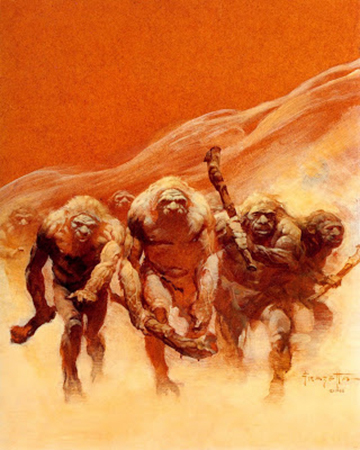
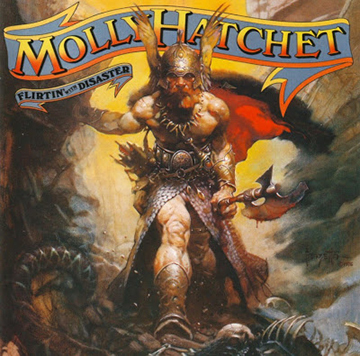
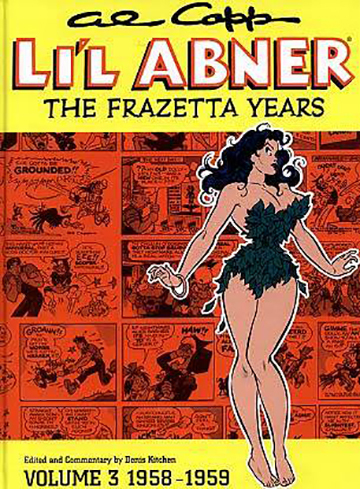 This week’s General Fave is the artist Frank Frazetta. I was going to describe him as “the fantasy artist,” but that’s only what he was best-known for; he also worked in the comics field, advertising, commercial illustration, and science fiction. He was part of the legendary EC Comics stable, and of what was known as the Fleagles, a loose-knit crew of young artists who evolved out of the EC stable to work on Mad Magazine. He drew what’s known in the comics world as ”funny animal” stories, as well as westerns, romance and science-fiction (one of his covers for the Buck Rogers comic book is iconic, much as I hate to use that word, but it applies); he was Al Capp’s assistant for 9 years, drawing mostly the sexy women in the Lil’ Abner comic strip. He also occasionally assisted on the Playboy comic feature Little Annie Fanny, mostly drawing Annie (Frazetta’s women were scandalously sexy; he always claimed that his wife Ellie was his principal model).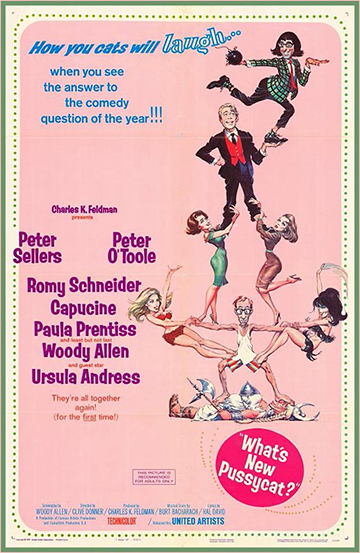
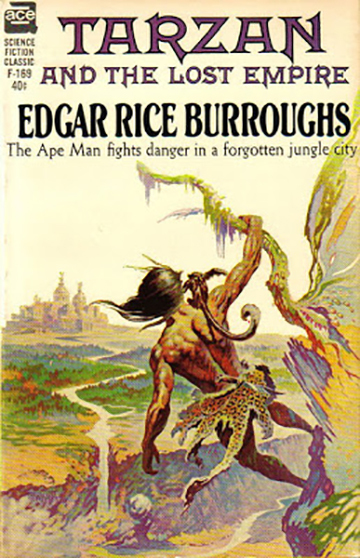 The work that catapulted him to pop-culture fame and recognition was probably the paperback cover work he did in the 60’s and 70’s, for Ace books’ Edgar Rice Burroughs editions (Tarzan, John Carter, etc.) and the Lancer books Conan series.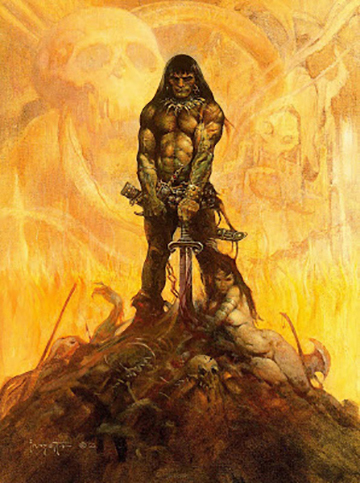


















 Dumbfounding Stories