Archive | Music RSS feed for this section

“Something Good” (for Janna & Mike)

5 Nov

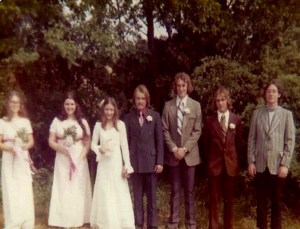
Spring of ’73 my friends Mike & Janna got married and asked me to sing for their wedding. I wrote a song  for it, “Something Good”. It was about them, but I’d just started meditating, and maybe it was about that, too.

Mike was an artist, total comics freak, and explorer of astral planes, Janna his

wedding-pis-3

ancient photo

life-line, anchor. Their wedding was outside Metropolis in a meadow, at the bottom of a hill. In my memory the sky’s cerulean & the grass emerald. Mike walked down one side of the hill with his friends, Janna down the other with hers. I was a the bottom with the preacher, singing “Something Good”.

I don’t want to brag,  but Mike and Janna are still happily married.

A recording of “Something Good” is below, it’s lyrics under that.


Something Good

Something’s got you singing

a new song every day

Something’s got you smiling

as you walk along your way

Chorus:

Something good has come into your life

something fair & beautiful to see

something good has come today

Now you don’t know why

but you’re laughing

& your fears have flown away

you can’t fight the feeling

that’s filling up your hearts, and

(Chorus)

Now your true love takes your hand

at your side is your best friend

All around loved ones stand

Your eyes fall on the sunlight

that dances cross the clouds

A river flows inside you, its current deep & strong

(Chorus)


The song’s on my About Time CD.


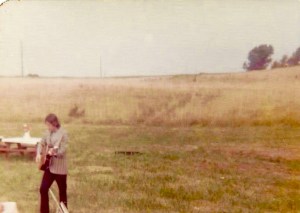
wedding-pis-5

also ancient


Hash’s Faves: “Forever in My Life”

31 Jul

prince_sign_o_timesThis week’s pick is a funky love song by Prince, “Forever In My Life.” It’s originally from his 1987 album Sign O’ The Times.The album was a quasi concert film, and featured Prince’s band at the time, Prince on lead vocals and guitar (and, one assumes, drums, keyboards and bass); Wendy Melvoin, guitar, percussion and vocals; Lisa Coleman, keyboards, sitar, flute and vocals; Sheila E, drums, percussion and vocals; Dr. Fink, keyboards; Miko Weaver, guitar; Brown Mark, bass; Bobby Z,drums; Eric Leeds, saxophone; Atlanta Bliss, trumpet; and Sheena Easton, Susannah Melvoin and Jill Jones, vocals. The very different, expanded live version here is from the movie Sign O’ The Times and features a slightly different band, adding keyboardist/vocalist Boni Boyer (in a star turn), bassist Levi Seacer and dancer Cat Glover.

I slightly favor the album version; it’s more economical and it’s easier to hear the brilliant background vocal arrangement in the second verse, which, in my opinion, should become standard repertoire for college vocal ensembles attempting to be hip. But the live version has plenty of high points, including the aforementioned Boni Boyer feature (“It’s your house, Boni,” Prince exhorts), the chanted vocals by the audience in the front and back of the song (surely written by and instigated by Prince), the long group vocal vamp out (“Back up offa the mic’s, chil’un!”) and the passionate ad libs in the outro by Prince. It’s all stagecraft at the highest level – the costuming of the band, the band choreography, the preaching. The groove is elegantly simple and supremely funky, but at the heart of everything is a gorgeous melody and lyrics; this is a SONG. The lyrics, perhaps, are slightly disingenuous, given Prince’s reputation as a mack daddy, but who am I to say?

You can listen to the CD version here:
http://whomakesmelaugh.wrzuta.pl/audio/9D5KqJjXTkM/princeforever_in_my_life

Steve Hashimoto

This post is reprinted from News From The Trenches, a weekly newsletter of commentary from the viewpoint of a working musician published by Chicago bassist Steve Hashimoto. If you’d like to start receiving it, just let him know by emailing him at steven.hashimoto@sbcglobal.net

163984_190498084309709_7503578_n

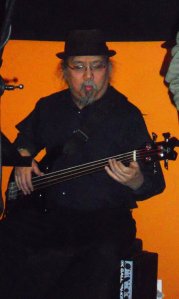
Steve Hashimoto

Hash’s Faves: “Seven Come Eleven”

10 Jul

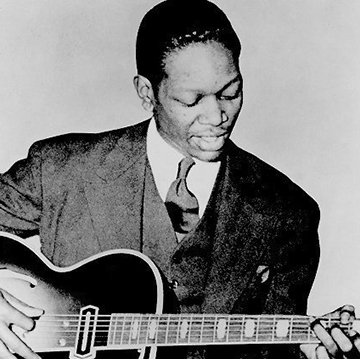
Charlie-Christian-solosThis week’s pick is one of the tunes that was on that reel-to-reel bootleg that introduced me to jazz; “Seven Come Eleven,” by Charlie Christian, with the Benny Goodman Sextet, Benny on clarinet, Christian on guitar, Lionel Hampton on vibes, Fletcher Henderson on piano, Artie Bernstein on bass and Nick Fatool on drums.

Even at this late date I think it’s impossible to overstate Christian’s impact. He was one of those rare players that completely revolutionized his instrument, like Louis Armstrong, Jimmy Blanton, Charlie Parker, Max Roach, Bill Evans, John Coltrane, Jaco Pastorius or Buddy Emmons. Certainly there had been guitarists who played single-note lines, and Christian wasn’t the first to amplify his guitar, but Charlie’s melodic and rhythmic vocabulary was unprecedented. This may be a bit of a stretch, but I hear similarities between him and Ornette Coleman; both came out of the Southwest, and there’s a certain stringent, desert-like aridity to their lines.

I also think that at this late date in jazz history it’s easy to forget what a great player Goodman was. I think he suffers from what I think of as the Miles Davis syndrome, in that people (well, us musicians, anyway) automatically think of his terrible reputation as a person and turn our minds off when we hear his playing. But, you know, the cat could play, and another extremely important thing to remember is that, even though he sometimes treated the black members of his bands badly he was among the first white bandleaders to hire black musicians, and he was certainly the leader with the highest visibility (Jimmy Durante was actually the first).

Producer John Hammond, one of music’s great talent scouts, learned about Christian through the pianist Mary Lou Williams, and recommended him to Goodman. His tenure with Goodman thrust him into the spotlight; his recordings with Goodman have been the Holy Grail for jazz guitarists since their creation. Sometime in the early 1940’s he started making the jam sessions at Minton’s Playhouse in New York city, and he’s credited as being one of the inventors of bebop; indeed, the term itself is thought to be Christian’s description of his playing style.

He died at the age of 25 from tuberculosis. His influence extends beyond the world of jazz; blues, rock, rockabilly, country and bluegrass guitarists all owe Christian a debt.

You can listen to it here:

This post is reprinted from News From The Trenches, a weekly newsletter of commentary from the viewpoint of a working musician published by Chicago bassist Steve Hashimoto. If you’d like to start receiving it, just let him know by emailing him at steven.hashimoto@sbcglobal.net.

163984_190498084309709_7503578_n

Steve Hashimoto


“Cards on the Table”

15 May

I’m posting audio here of “Cards on the Table”, which I just recorded with a little help from my friends. The lyrics are below the song and some details about the recording below them:


                   CARDS ON THE TABLE

If I HAD A DOLLAR FOR EVERY FOOL I’VE KNOWN

EVERY LYIN’, CHEATIN’, BRAIN-DEAD BUMMER

WHO EVER TRIED TO RIP ME OFF

I WOULD NEVER HAVE TO WORK ANOTHER DAY

THE REST OF MY NATURAL LIFE


                    CHORUS:

PUT YOUR CARDS ON THE TABLE

LAY DOWN YOUR MONEY

PUT YOUR CARDS ON THE TABLE

WHAT’VE YOU GOT?


PEOPLE ALWAYS TALKIN’ BOUT

WHAT THEY’RE GONNA DO

GONNA MAKE IT REAL BIG, TAKE YOU WITH ‘EM

TO THE PROMISED LAND REAL SOON

THEY GOT A SURE FIRE DEAL COMIN’ THROUGH

AND THEY WANNA CUT YOU IN


                         CHORUS


ONCE I CHASED WHAT I WANTED STRAIGHT

DOWN THE OPEN ROAD

I GOT HIT HARD, KNOCKED DOWN, GOT UP & MOVED ON

BOTH EYES WIDE OPENED UP

SO IF YOU GOT A DEAL TO RUN BY ME

THERE’S ONE THING THAT YOU GOTTA DO


                             CHORUS


The guitars, bass and lead vocals were recorded in Garage Band on my computer and then transferred to Pro Tools at The Cave Recording in Evanston. There Robert Marshall recorded the drums, harmony vocal, and saxello parts, by Andy Mac Crimmon, Micki Broeker, and John Temmerman respectively. And a great job they all did.

The lyrics pretty much speak for themselves, and surprised me when they came out. Sometimes you don’t know what you feel till you say it.


ME


Hash’s Faves: “Things We Said Today”

1 May
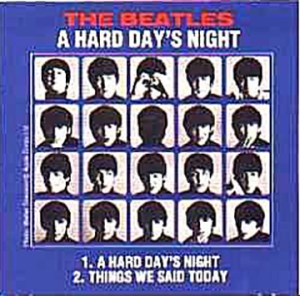
Things_We_Said_TodayThis week’s pick is some Beatles music, the Lennon/McCartney composition ”Things We Said Today.” It was written and recorded in 1964, originally intended for use in the film A Hard Day’s Night, but didn’t make the cut. It was released on the soundtrack album, though. This was still in the time period when the boys were recording as a self-contained unit, so it’s John Lennon on guitar, piano and vocals; Paul McCartney on bass and lead vocals; George Harrison on guitar and vocals; and Ringo Starr on drums and tambourine.

I’ve been participating in a class on the Beatles with guitarist/vocalist/composer John Kimsey and I’ve come away from it with lots to ponder. One of the subjects he covers is the different approaches to composition that Lennon and McCartney use; although, as in life, there are always exceptions, a rule of thumb is that Lennon’s melodies are more horizontal and static than Paul’s, and that Paul tends to use more sophisticated chord changes. Another general rule of thumb is that John’s lyrics tends to be more inward-looking while Paul’s are more extroverted and cheerful. And in a way, those two rules-of-thumb are intertwined; John tends to write melodies that won’t detract too much from his lyrics, while Paul is a bit of a show-off; he has a wider vocal range and he likes to use it. Paul is also famous for occasionally coming up with melodies and plugging in nonsense words until he can get around to writing proper words, the most famous example being ”Yesterday,” the original working lyric of which was “Scrambled eggs, oh my baby how I love your legs.” Applying these rules of thumb, however, would result in misdirection here. One might assume that John wrote the A sections, which are relatively static, while Paul wrote the free-ranging bridge, but most sources say that this is entirely a Paul composition. One might also think that John had a hand in the lyrics, which are a bit gloomy and introspective, but again they’re entirely Paul’s work.

The lyrics, I’m sure, were the soundtrack to many an angst-ridden adolescent’s life; I know that every time I broke up with a girlfriend this was my go-to song.

You can listen to it here:

http://my.mail.ru/inbox/ironer/video/3543/71994.html

This post is reprinted from News From The Trenches, a weekly newsletter of commentary from the viewpoint of a working musician published by Chicago bassist Steve Hashimoto. If you’d like to start receiving it, just let him know by emailing him at steven.hashimoto@sbcglobal.net


Hash’s Faves: “When Doves Cry”

24 Apr

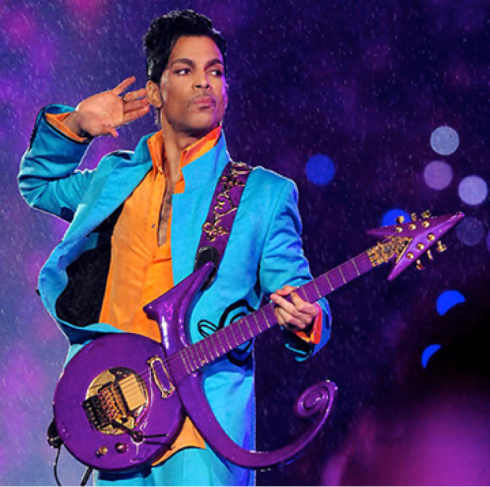
princeOf course by now all of you know that Prince died, suddenly and unexpectedly, this week. I know that his music is pretty far afield from what some of you folks listen to, but his impact, not only on the music scene but on American pop culture in general was enormous. One could argue that he changed the entire texture of pop music through his production techniques and arranging savvy. His integration of Hendrix-influenced guitar, new-wave instrumentation, hippie philosophy, punk attitude and funk grooves drawn from classic James Brown, Sly & The Family Stone, Parliament-Funkadelic, The Ohio Players and The Gap Band provided the template not only for the artists that he produced or wrote hits for, like The Time, Chaka Khan, Sheila E, Sheena Easton and Wendy and Lisa, but for other producers like Jimmy Jam, Terry Lewis, Babyface and L.A. Reid. And it goes without saying that Bruno Mars and Mark Ronson pretty much owe their careers to Prince.

Culturally, I think many people forget how totally outrageous he was when he first hit the scene, with his over-the-top androgyny and his sexually explicit songs like “Head” and “Soft and Wet” (co-written with Chris Moon). With his death many LGBT people have come forward to say that Prince gave them the courage to be themselves. His bands were always multi-ethnic and multi-gendered as well, and although he projected a Svengali-like image when managing the careers of female artists like Appolonia, Vanity and Sheena Easton, it was always obvious that he had great respect for the female players in his bands. (Many hard-core jazz fans are unaware that Wendy, of Prince side-project Wendy & Lisa, and longtime guitarist in Prince’s band The Revolution, is the daughter of L.A. jazz and studio pianist Michael Melvoin.)

He was capable of playing (and often did) all of the instruments on his recordings; he was not only a great rock and funky rhythm guitarist but a stanky bass player, a drummer capable of playing or programming irresistible grooves, and a more-than-serviceable keyboard player. And, of course, he could sang! The world of music will miss him.

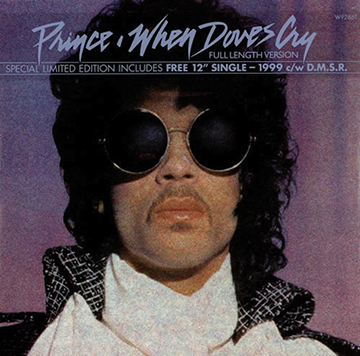
In his honor, this week’s pick is his “When Doves Cry,” from his 1984 album Purple Rain. Prince composed it and plays all instruments on the track; there are female background vocals (I think, although they could also be Prince), but I couldn’t find any credits in my cursory search.

Prince wrote this song specifically to go with a scene in the Purple Rain movie that had no Prince-When-Doves-Crymusic yet; the Prince mythology has it that he wrote it overnight and recorded it the next day. The texture of the song is remarkably open, and influenced pop music production enormously. It’s mostly Linn drum machine, electric guitar and very sparse synths. It was probably the first hit dance record to not have a bass part; Prince has said that he recorded one initially but that he thought it sounded “too conventional” so he took it out. But the textural space is one of his trademarks; quite a lot of his music, although there might be a lot going on, is very carefully arranged and produced to sound open. All of the rhythm parts, whether they’re drums or drum machines, percussion, guitar, bass or keyboards are carefully orchestrated to stay out of each other’s way. I think Prince would have been a hell of a big-band arranger, and that’s one of the things we’ll never have a chance to know now.

The lyrics refer obliquely to Prince’s troubled childhood and his parents’ relationship. I say this with the greatest respect, but Prince was a master of image projection; he knew how to let his music show tantalizing glimpses of his personal life without letting the listener all the way in. In this may have been influences by John Lennon and Bob Dylan, and he paved the way for Madonna, Sinead O’Connor, Adele and other singers who wrote confessional lyrics.

You can listen to it here:

https://www.youtube.com/watch?v=x_tonrrxvYA


This post is reprinted from News From The Trenches, a weekly newsletter of commentary from the viewpoint of a working musician published by Chicago bassist Steve Hashimoto. If you’d like to start receiving it, just let him know by emailing him at steven.hashimoto@sbcglobal.net.

163984_190498084309709_7503578_n

Steve Hashimoto

CD Graphics & Jamming

18 Apr

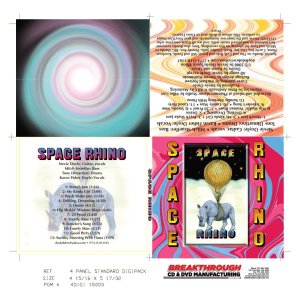
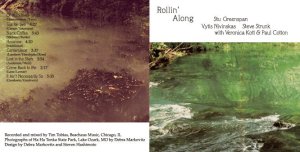
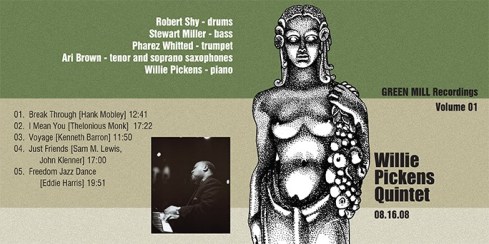
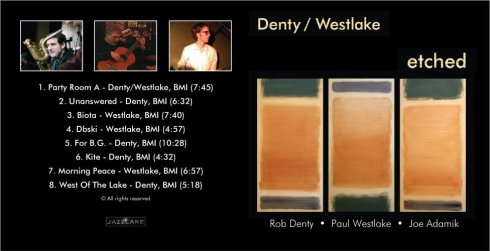
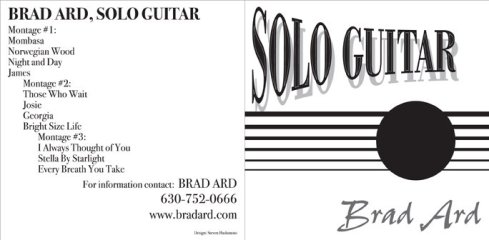
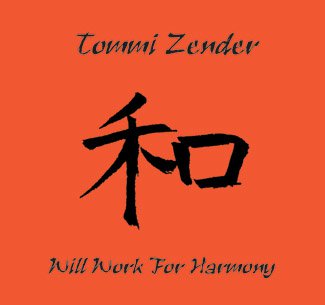
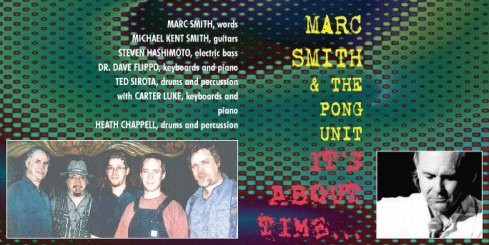
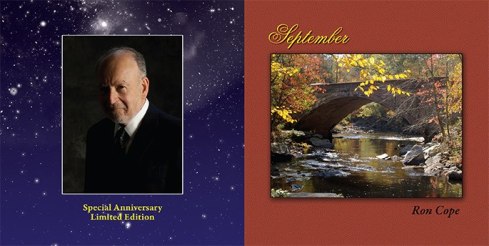
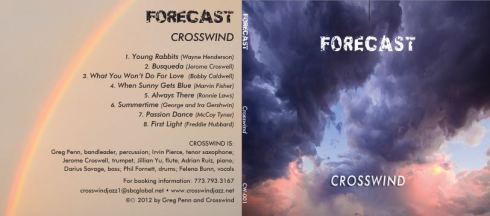
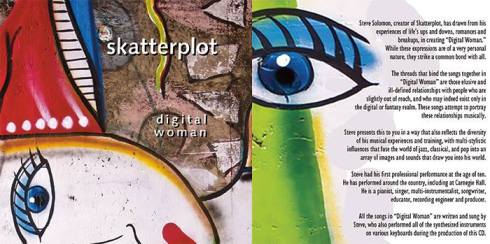
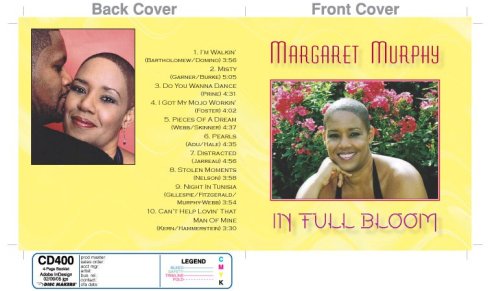
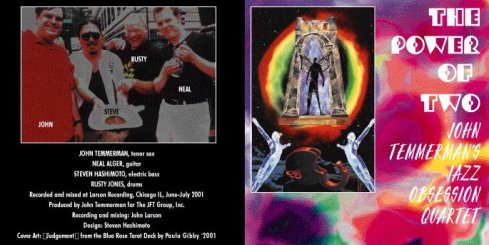
Chicago bassist, Steve Hashimoto, recently wrote about his experiences doing CD graphic design, and compared them his work as a bass man. I’m reprinting what he said, below, and including samples of his graphics work.

163984_190498084309709_7503578_n

Steve Hashimoto

As some of you know, I’m a graphic designer as well as a musician. I don’t think I have an identifiable style in graphic design; whether that’s good or bad I can’t say. Some of my favorite designers do have a style that I can identify immediately: Herb Lubalin, Reid Miles, Seymour Chwast, Michael Dorét, Milton Glaser, Gerard Huerta, The Hipgnosis Studio, all produced distinctive work. On the other hand, quite a lot of my favorite designers, like Paul Rand, George Lois and Lou Dorfsman were more chameleonic, producing work to fulfill a variety of purposes. And that’s what I think I do.

If you check out the samples below, and you’ll see that my clients have included jazz musicians, rock bands, country singers, new-age artists, easy-listening singers, singer/songwriters, and some not-easily-classifiable people. When I design a package I try to take everything into account, but oftentimes I’ll have no idea what the music is like; sometimes the clients don’t want a stranger to hear anything until it’s actually released, fearing internet leaks, and sometimes there’s just no time. I usually know the artist and most, if not all, of the sidemen, but sometimes not. But what I really go on is gut instinct; what the CD’s title is, what the artist or manager can tell me about the music, and what the genre is. I really liken what I do to how I operate as a musician; when I’m recording, I always hope that the first take will be the best, if not technically then at least conceptually, and that we can fine tune it along the way. Both in my music and in my visual art I tend to find that an idea can be worked to death, and I hope that my clients will like whatever my first idea is.

Again, equating my music and my design work, I have constraints to work within. Budget and time, obviously, but, just as when I’m playing a song and have to conform to general rules of harmony and theory, the structure of the song, the chord changes, tempo, etc., in a graphics job I have to know the lay of the land. Every CD manufacturing company has a proprietary set of templates to work with, and that’s actually how I get a lot of work. A lot of musicians are very gifted visual artists as well, painters or photographers, and feel like they can do their own project, but once they get into the template they find that it’s much more daunting a task then they initially thought. There are esoteric things to know like what color space to work in, what format or program the manufacturer wants to see the final artwork delivered in, bleeds and trims and folds. I’m happy to act like a carpenter, working from the artist’s blueprints; quite a few of my favorite jobs have been that type. But I also love it when a client says “Do whatever you want.”

I run into problems, of course; a lot of clients simply have no spatial perception. They have

240372_10150180579861379_410835_o

4-page insert

a budget for a 4-page insert (one piece of paper folded in half) and they have 12 pages of Microsoft Word copy that they want crammed into it. Or they have a piece of art that a friend or spouse did and the dimensions just don’t want to fit. They have a portrait photograph and there’s not enough background; they don’t understand that for artwork to “bleed”, or print to the edge of the paper, that it actually has to extend past the edge of the paper and that the excess will be physically trimmed off (because of this kind of problem, which is probably the one I encounter the most, I’ve had to learn a lot of Photoshop tricks). They’re married to a particular font that is horrible. In cases like these I put my jobbing hat on and I just do what I can to either make things work, explain why it’s impossible or present an alternative that’s so brilliant that they immediately see the light. And, of course, sometimes the answer is “No, do what I want,” and I do what I can, and wind up with a job that I’ll never use in my portfolio.

231092_10150180573356379_3921274_n

front & back

Another way that I think my music and my design are similar is that, when I solo on a jazz tune, I hope that it won’t be predictable. Of course all of us have little licks that we tend to play, and you can’t be brilliantly original every night, sometimes you’re just vamping. But I try, in both of my disciplines, to be creative, and I always hope that lightning will strike; that I’ll be playing ”It Had To Be You” for the 2,000th time and the singer lets me play a solo and the Gods of Jazz whisper in my ear and I play a solo unlike any I’ve ever played. I hope that when a client contacts me to design their project that the heavens will open for a second and the entire design gets beamed to my brain. It could happen, right?

Anyway, I dearly love the work; every project is fun, and when I finish one I can’t wait to see what it looks like when it comes off the presses. You could do worse than hiring me if you’re thinking of making a CD. I have one other special skill that many people overlook or minimize, but I think it’s important. I once had a client submit a project and he had misspelled not only most of the musicians’ names (I knew every single one of them) but other important items like song titles and names of musical styles (I fixed everything, of course). Many designers wouldn’t know the difference and/or wouldn’t care – “It’s not my yob, man!” But I care. So give me a call.


This post is reprinted from Steve’s free weekly e-newsletter, News From The Trenches. If you’d like to get on its on its mailing list, just contact him at  steven.hashimoto@sbcglobal.net. You can also reach him there if you’re interested in having him do graphics for your CD. More examples of his graphics work appear below:


1234361_10151662577216379_645224989_n

220374_10150180736071379_4357887_o


221342_10150180551221379_3496151_o

224237_10150181431291379_8314590_n

228707_10150180584706379_6138988_n

229344_10150180567366379_6152947_n

231092_10150180573356379_3921274_n

240372_10150180579861379_410835_o

240593_10150180735431379_4166712_o

226852_10150181436481379_1497471_n

482600_10151339578856379_1133058756_n

522428_10151155399686379_1846464321_n

10170966_10152089838096379_4011658322943929247_n

219510_10150180556426379_3312273_o

227073_10150180569366379_6015288_n


Kent McDaniel

26 Mar

at the heartland

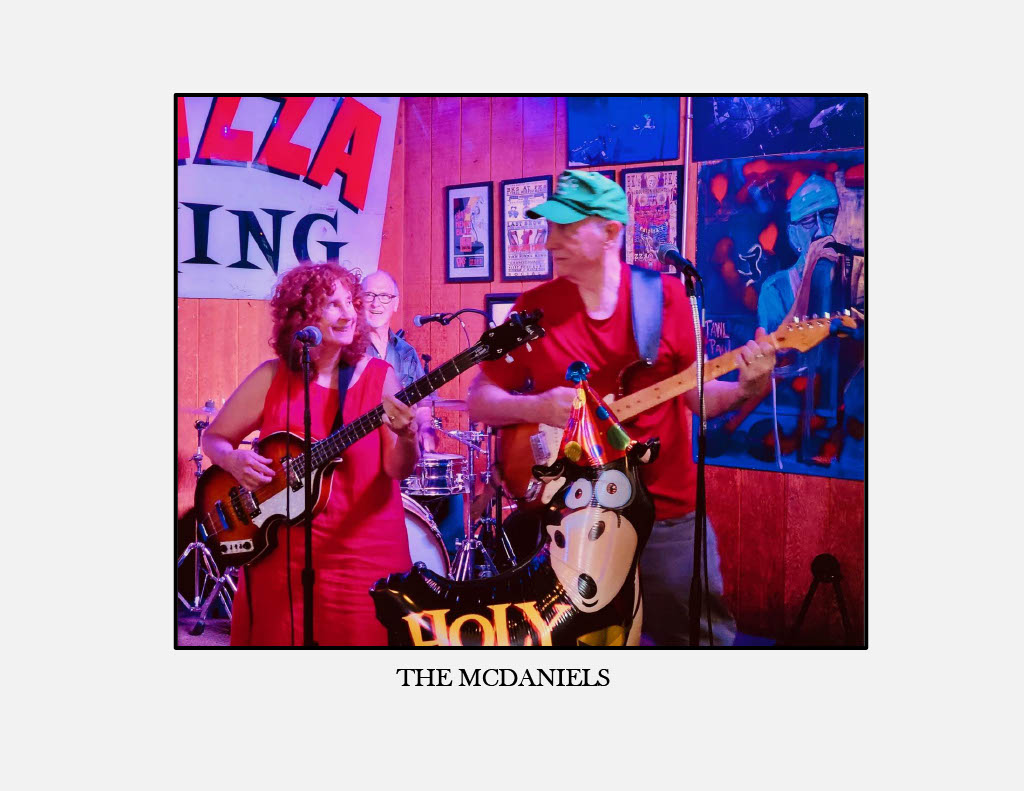
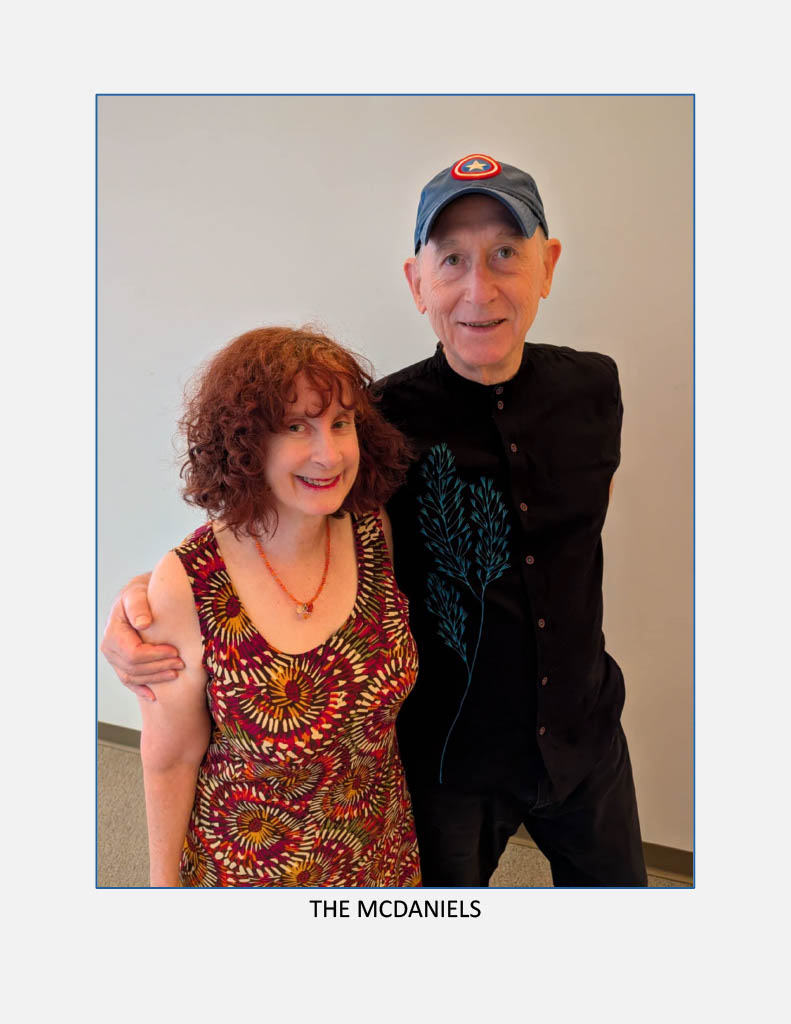
 Guitarist, vocalist, and songwriter Kent McDaniel plays blues, roots rock, country, and jazz.  He works as a single, as a duo with his wife Dorothy sharing the vocals and adding flute and keyboards, or with a drummer and bassist as The McDaniel Trio.

An SIU grad originally from Metropolis, Kent stayed in Carbondale several years after graduation playing music full time. He then moved to Chicago, where he played for many years. Since moving back to Carbondale recently, he’s appeared regularly at such venues as PKs, Tres Hombres, 17th Street Bar B Q, Fuzzy’s, and Brews Brothers and on WDBX’s Lonesome Roys’s Country Hoedown. He also hosts Down Home Cookin’ Friday afternoons on WDBX. And he produced the popular recent album by blues legend Tawl Paul, That’s Just how I Am, for which he also provided the lead guitar and wrote five songs.

Kent’s original songs stream for free at Band Camp

Below are two videos of him performing live.  The first one shows him performing as a single and singing some country. Under it are audio recordings of two songs from a recent live appearance  on WDBX radio by Kent and his wife Dorothy. You’ll hear how they sound as a duo on these. Below those is a video of Kent with a drummer and bassist playing as a trio at the Custer Street Fair in Evanston, Illinois. 


Feelin’ Single/Seeing Double (Recorded at home for a Closed Mic Fundraiser)

Audio Recording of 2  Songs from Kent and Dorothy’s recent Live Performance on WDBX

Pride & Joy (Kent McDaniel Trio at Custer Street Fair in Evanston, IL.)

Re: Colin Harper’s “Dazzling Stranger”

20 Mar

Bert-Jansch

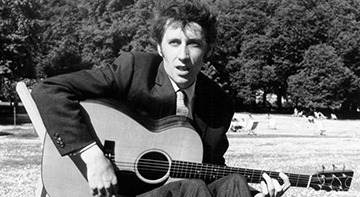
Bert Jansch

My old pal David Ashcraft gave me another great book by Colin Harper, the author of the John McLaughlin biography Bathed In Lightning. This one is pretty far afield from the McLaughlin bio but it turns out to be surprisingly of a piece; it’s a bio of the seminal English folk musician Bert Jansch, titled Dazzling Stranger: Bert Jansch and the British Folk and Blues Revival.

Jansch is one of my favorite musicians, the leader of the band Pentangle, and although I never considered him much of a blues player, he certainly was in the thick of the English folk revival of the 60’s.

How does this relate at all to McLaughlin, you might ask? Well, Harper is an almost obsessive researcher, and the simple answer is that Jansch and McLaughlin both kind of started as young, rank amateurs on the London scene of the early 60’s. Their paths surely crossed, as both were also session players in London in the early 60’s; Jansch not so much as McLaughlin, but he did record with Donovan as well as some other English artists. But what I’m finding fascinating about the book (I’m only into the 2nd chapter) is Harper’s tracing of the lineage of the folk scene, which has connections across the pond to the United States, and, of course, is responsible for a lot of pollination of the English pop scene.

The English fascination with blues, evidently, really started with Big Bill Broonzy, who played several gigs in the British Isles. The English blues scene is generally said to have been started by Cyril Davies and Alexis Korner; although I’ve known about them for years, this book provides a real timeline and framework for their lives. Davies, who is generally acknowledged as the first English blues harmonica player, was born in 1932, and died, tragically young, in 1964, before he was able to see the enormous influence on rock music that he had. Korner, born in 1928, was a guitarist who did live to see his musical “children” grow up to conquer the pop music scene; his band Blues Incorporated nurtured young performers kind of like Art Blakey’s Jazz Messengers did in the jazz field: musicians like Charlie Watts, Jack Bruce, Ginger Baker, Long John Baldry, Graham Bond, Danny Thompson, Dick Heckstall-Smith, Mick Jagger, Keith Richards, Brian Jones, Geoff Bradford, Rod Stewart, John Mayall, Jimmy Page, Lol Coxhill, Dick Morrissey, John Surman and Mike Zwerin all passed through.

The English music scene was smaller, of course, than the American scene; it was, after all, mostly centered around London. Before the blues revival, but related to it because Broonzy was presented in concert as an American singer of folk songs, what was called the English Folk Revival really had its roots in the post-World War I years. Soho in London became a kind of Bohemian center, drawing people like Dylan Thomas. Post World War II musicologists like Ewan MacColl, A.L. Lloyd, Martin Carthy and The Watersons, among many others, started a movement, sometimes as a reaction against the incursions of American music and sometimes not, to discover and preserve the traditional musics of the Isles. (Similar movements were a’bornin’ in Glasgow, Edinburgh, Dublin and Belfast.) There was a healthy diplomatic connection between America and the U.K., though; American folklorist Alan Lomax spent time in London along with Pete Seeger’s half-sister Peggy, who married Ewan MacColl.

Another thing that I found interesting was the influence of Communism in England’s folk51AjwFpNOTL._SX325_BO1,204,203,200_ scene; I think England is much more politicized than we are, and many of that first generation of English folk musicians were unabashedly Communist. In America, of course, The Weavers had their careers destroyed by the McCarthy pogroms, and seminal New York folk musician Dave Van Ronk, in his excellent autobiography The Mayor of MacDougal Street recalls how leftist politics were part of the DNA of the Greenwich Village folk movement.

Broonzy, Leadbelly, Josh White, Sonny Terry and Brownie McGhee were folk music heroes in England, and American jazz was also very popular, but many of the aspiring English musicians couldn’t quite grasp the harmonic complexity of jazz or the African polyrhythmic subtleties of the blues, so when they learned songs from the afore-mentioned artists they tended to simplify them, both harmonically and rhythmically, and that’s how skiffle music was born (or that’s one theory, at least). Skiffle was enormously popular, and here’s where the matrix starts: Just about every English rock musician of note in the 60’s started out either in a skiffle band (McLaughlin, the various Beatles) or in a blues band (the Rolling Stones, Clapton, et.al).

The genealogies at this point in time all start to cross: Rod Stewart worked with Long John Baldry, who had performed early in his career at concerts that MacColl presented; Davies and Korner were matriculating students in and out of their bands; the influential guitarist Davy Graham was starting to incorporate elements of Indian music into his playing; bandleaders like Graham Bond and Georgie Fame were employing rhythm sections like Jack Bruce and Ginger Baker; John McLaughlin was playing sessions, skiffle and jazz gigs; Ronnie Scott was employing players of all stripes at his famous jazz club; Jimmie Page and John Paul Jones were doing session work; American singer/songwriter Paul Simon was lurking around in London.

One can point at specific songs as results of all of this intermingling. Simon appropriated Martin Carthy’s arrangement of the traditional song “Scarborough Fair” and Davy Graham’s signature solo guitar piece “Angie” and had much more success with them than either of the Brits could ever dream of (and sparking much long-held resentment, although I do think that Graham at least was compensated). The Animals nicked Van Ronk’s arrangement of “House Of The Rising Sun,” which he had evidently in turn borrowed from the American folk-blues singer Eric Von Schmidt. When Jimmie Page started his mega-group Led Zeppelin, one of the songs on their debut album, “Black Mountain Side,” was a blatant copy of Jansch’s “Blackwater Side,” which in turn was a hybrid of original writer Annie Briggs’ version and a version by future Pentangle mate John Renbourn. (To his karmic credit, Jansch always seemed relatively unfazed by Page’s theft, saying “When you sell your music, you sell your soul. I prefer to share mine.”)

A second wave of English folkies would electrify the music, bands like Fairport Convention, Lindisfarne and Steeleye Span, partially as a reaction against the English blues players and in recognition of the accomplishments in America of The Band. Many of the English musicians respected The Band’s attempt to get back to the roots of Americana, and felt that the traditions of the English Isles had plenty to offer. Another thing that I’m finding interesting is that many of the earliest figures in the English scene were very much children of the period BETWEEN World Wars I and II, which puts a very different spin on the way that they processed the world around them. I think this accounts for the high incidence of Communism.

On the other hand, the earliest figures of the pop scene were very much children of World War II, an experience that we in America can scarcely imagine; if they grew up in London they grew up in a city that was under attack by the Luftwaffe, and following the war they experienced years of forced austerity, as opposed to America, whose economy was stronger than it had ever been. Jansch talks about having to attempt to build his own first guitar, since there was no way he could ever afford to buy one. Some of the earliest skiffle bands consisted of more-or-less homemade instruments. Many of the folk pioneers tell of gigs that literally paid nothing; at least when Bob Dylan played what were called the Basket joints in Greenwich Village he might go home with 4 or 5 bucks in tips, and in one of his early taking blues songs he recalls that his first paid gig in New York was as a harmonica player for a dollar a day. This period of English austerity might partially explain the rock star excesses of the 70’s.

The book is, as I say, obsessively researched, and it might not be your cuppa;, but since I already know and love a lot of this music and many of these musicians I’m really enjoying it. If you’re a Zeppelin or Richard Thompson or Cream or Traffic fan, there’s a lot of deep information here that might interest you. Thanks, Dave!

Steve Hashimoto

This post is reprinted from News From The Trenches, a weekly newsletter of commentary from the viewpoint of a working musician published by Chicago bassist Steve Hashimoto. If you’d like to start receiving it, just let him know by emailing him at steven.hashimoto@sbcglobal.net.


“Barsoom” (A Filk Song)

23 Feb


ab01

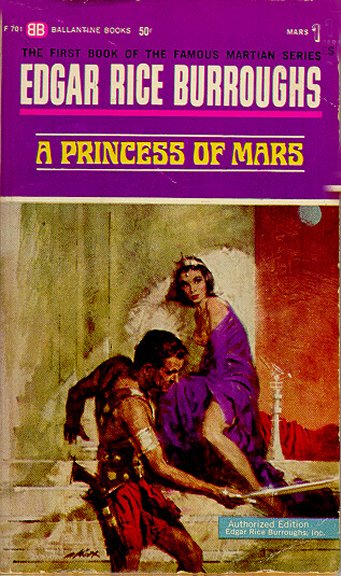
This is the edition of A Princess of Mars that I first read

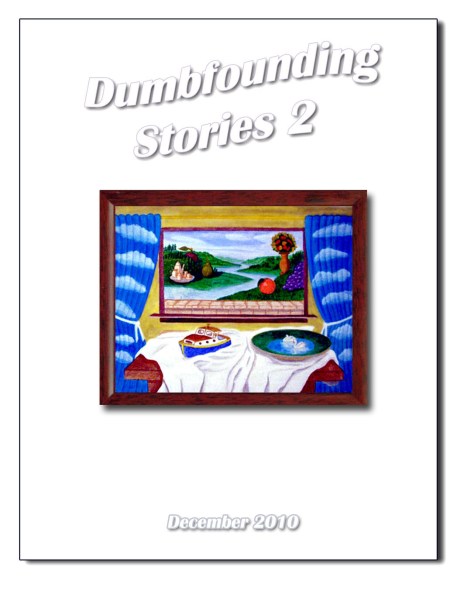
 I’m posting a recording  of  “Barsoom,”  a filk song Gary Robe ran in his fanzine Tennessee Trash for the Southern Fandom Press Alliance (SFPA) a few years back. At the time, I commented on it in my zine, Dumbfounding Stories, and Gary’s next issue featured a revised version of the lyrics, which I also commented on. This process continued back and forth in our zines for almost a year. For trufans and Burroughs Bibliophiles the title will be a tipoff: the song concerns Edgar Rice Burroughs’ Martian novels. Many moons now, I been meaning to record Gary’s finished version of the lyrics. When I got ready to finally do it, I noticed that his finished product was one verse shorter than John Prine’s “Paradise,” to which the music of “Barsoom” is set. I came up with another verse for the recording (verse two), and I made two or three tweaks to Gary’s words–which I hope he’ll forgive me.

I hope you’ll click on the audio icon below and check out the lyrics beneath it. If you like filk, and especially if you like filk and Edgar Rice Burroughs, I think you’ll be glad you did.


                           Barsoom


A big box of books handed down generations

We found Edgar Rice Burroughs’ A Princess of Mars

All summer we spent meeting adventure

With Captain John Carter and his green buddy Tars

REFRAIN:

And Edgar won’t you send me ‘neath the moons of Barsoom

In the red desolation with Dejah and Tars

I’m sorry, cadet, you’re too late to go there

The lander’s cold data has turned it to Mars!

We flew in airships, rode thoats cross the wastelands

Lived by our wits and our swords of cold steel

Faced foes and monsters and found our one true love

It was larger than life and realer than real

REFRAIN

So what can you do with a dusty dead planet?

Make it our second home with some water and air!

It’ll take some nerve and a few generations

But someday we’ll send John Carter up there!

REFRAIN

Grandpa will you see me to the Moons of New Barsoom?

The colony’s ready; I’m starting to pack!

Heads up, Grandson; just get up on that spaceship!

Cause the Terraform Project’s done brought it all back!

LAST REFRAIN:

And Edgar won’t you send me neath the moons of Barsoom

In the red desolation with Dejah and Tars?

No problem, my friend; it’s all there in the pages

Just remember it’s Barsoom; it never was Mars!

“Barsoom” was recorded in Garage Band. I’m doing all the parts except the bass, which my  wife, Dorothy, added.

dumbfounding stories 2 cover

Cover by Pablo Vitruvian